Rooster Script: A Versatile Calligraphy Font for Creative Projects
There’s a certain warmth that comes with a hand-lettered script. It feels personal, immediate, and full of character—qualities that digital text often struggles to convey. This is where a thoughtfully designed typeface like Rooster Script enters the conversation. More than just a collection of letters, it’s a toolkit for injecting personality and a human touch into a wide range of creative work. With its thin, hand-drawn glyphs and a massive library of over 570 unique characters, including 384 alternates, this premium font offers a level of versatility that can genuinely elevate a project from generic to memorable.
Understanding the Visual Appeal and Flexibility
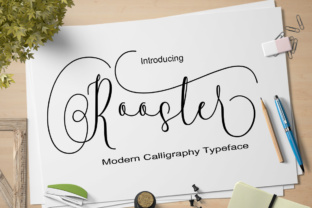
At its core, Rooster Script is a stylish calligraphy font. Its visual identity is built on delicate, flowing lines that mimic the natural variation of a pen or brush in hand. This isn’t a stiff, formal script; it’s a modern take on handwritten lettering that feels both elegant and approachable. The true power, however, lies in its extensive character set. Those 384 alternate characters aren’t just minor variations—they are entire different letterforms for many glyphs. This means you can avoid the repetitive look that can plague some script fonts. For a logo or a headline, you can swap out letters to create a custom, seamless flow where each character connects to the next in a unique way, preventing that "digital" appearance and enhancing the organic, handcrafted feel.
Practical Applications Across the Creative Spectrum
So, where does a font like this actually shine? Its applications are broad, bridging the gap between digital and print, personal and commercial. For brand identity and logo design, Rooster Script can become the cornerstone of a visual system. Imagine a boutique bakery, a wedding photographer, or a handmade soap company using it as their primary wordmark. The script instantly communicates craftsmanship, care, and a personal brand story. It pairs beautifully with a clean sans serif font for body text, creating a balanced and professional presentation that’s easy to read.
Beyond logos, its utility extends into packaging design. Product labels, hang tags, and box designs benefit immensely from a touch of elegance. Using the script for a product name or a key descriptor like "artisan" or "small batch" can make an item feel more premium and thoughtfully designed. For social media graphics, where capturing attention in a split second is crucial, this display font can make quotes, announcements, or sale promotions stand out in a crowded feed. Its style is inherently engaging, encouraging viewers to pause and read.
The world of print materials and editorial design also offers numerous opportunities. Think of wedding invitations, greeting cards, or magazine headlines where a touch of sophistication is needed. Similarly, for bloggers and content creators, using Rooster Script for section headers or featured quotes within an article can break up visual monotony and add a layer of stylistic interest. Even for merchandise like tote bags, mugs, or t-shirts, a well-chosen script can turn a simple item into a desirable piece of branded goods.
Making Strategic Choices for Your Project
Having a powerful creative font is one thing; using it effectively is another. The first step is always to align the font’s personality with your project’s goals. Rooster Script’s friendly yet refined style makes it ideal for projects targeting audiences that value authenticity, elegance, or creativity. It might not be the best choice for a corporate law firm’s annual report, but it’s perfect for a lifestyle brand, a creative agency, or a personal blog.
Readability is a non-negotiable consideration. While script fonts are beautiful, they can be challenging to read in long blocks of text. The best practice is to use Rooster Script for headlines, logos, short phrases, and call-to-action buttons, not for paragraphs. Always pair it with a highly legible serif or sans serif font for body copy. Test your pairings rigorously—does the script font complement the supporting typeface, or does it clash? The goal is harmony, not competition.
Don’t overlook the technical assets included with the font. With 570+ glyphs, take the time to explore the alternate characters in your design software. Learning how to access and use these swashes and ligatures is what will allow you to truly customize your typography and avoid a generic look. Finally, for any commercial project, always verify the licensing. A commercial font like Rooster Script will come with a license that specifies how you can use it—in logos, on merchandise, in digital products, etc. Understanding these terms ensures you’re using the font legally and ethically, which is a fundamental part of professional design practice.
Building a Cohesive and Professional Aesthetic
Ultimately, the value of a tool like Rooster Script lies in its ability to help you build a consistent and recognizable visual language. When used thoughtfully across your web design, marketing materials, and physical products, it becomes a recognizable element of your brand. This consistency fosters trust and professionalism. It tells your audience that you pay attention to details, which often translates to the perceived quality of your product or service.
Typography is a silent ambassador for your brand. Choosing a handwritten font with depth and versatility like this one gives you a dynamic asset. It’s not about following a trend, but about selecting a typeface that has the range to grow with your projects and the character to make them feel distinct. Whether you’re a designer crafting a client’s identity, a small business owner developing your own brand, or a hobbyist creating beautiful stationery, exploring the possibilities within a well-equipped script font is a worthwhile step in the creative process.