Delimora Script: A Fresh Take on Handmade Calligraphy
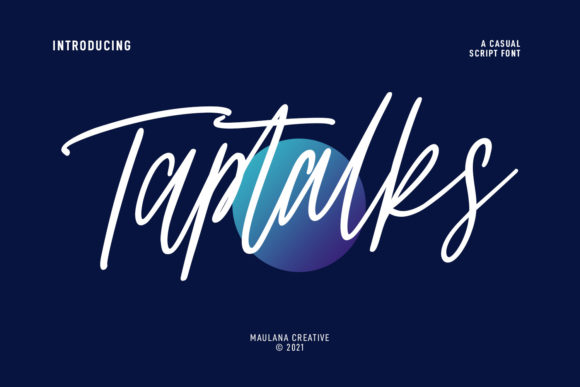
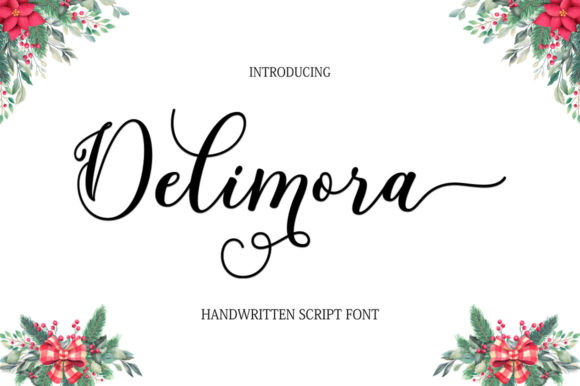
There’s something undeniably magnetic about typography that feels human. In a digital landscape often dominated by geometric precision and sterile sans-serifs, a font with personality can be the single element that transforms a project from forgettable to felt. Enter Delimora Script, a typeface that captures the essence of a skilled calligrapher’s hand in motion. It’s not just a collection of letters; it’s a visual voice, characterized by its flowing connections, elegant swashes, and that distinctive dancing baseline that gives each word a sense of rhythm and life. This isn’t your grandmother’s formal script—it’s a fresh, modern interpretation designed for today’s creative projects where authenticity and warmth are paramount.
More Than Just a Pretty Face: The Design DNA
What sets this particular script font apart is its careful balance. It possesses the decorative flair of a premium display font, yet it avoids the common pitfall of sacrificing legibility for style. The letterforms are crafted with a natural, handwritten quality, featuring subtle variations in thickness and delicate, decorative characters that add a layer of sophistication. This makes it an incredibly versatile creative font. It feels equally at home on a luxury product label as it does on a heartfelt greeting card. For designers and brand strategists, this duality is gold. It allows for a consistent brand identity that can communicate both elegance and approachability, a combination that’s often hard to strike with standard typefaces.
Where Delimora Script Truly Shines
Understanding a font’s personality is one thing; knowing where to apply it is where the real value lies. This is where Delimora Script moves from a design asset to a practical tool. Its style is inherently suited to projects that aim to create an emotional connection or convey a sense of craftsmanship and care.
- Branding and Logo Design: For boutique businesses, artisanal brands, or personal brands in the wellness, beauty, or lifestyle space, this typeface can become the cornerstone of a visual identity. Imagine it as the primary logotype for a handmade soap company, a specialty coffee roaster, or a wedding photography studio. Its character immediately tells a story of quality and personal touch.
- Packaging and Merchandise: On packaging, typography does heavy lifting. A script font like this can elevate a simple box or bag into a premium experience. Think of the label on a craft spirit bottle, the branding on a small-batch candle, or the design on a tote bag. It adds perceived value and shelf appeal.
- Invitations and Print Materials: This is a natural habitat. For wedding invitations, event programs, or luxury menu designs, the flowing baseline and elegant swashes create a formal yet inviting atmosphere. It sets the tone before a single word is read.
- Digital Presence and Social Media: In the fast-scrolling world of social media, stopping power is everything. Delimora Script is perfect for creating eye-catching Instagram quotes, Facebook header graphics, or Pinterest pins. It can also be used sparingly on websites for hero sections, pull quotes, or special announcement banners to add a human touch to an otherwise structured digital layout.
- Editorial and Marketing Assets: For bloggers, content creators, and marketers, it’s a secret weapon for creating engaging visuals. Use it for chapter headings in a digital ebook, title cards for a YouTube video, or standout text in a marketing brochure. It helps break the monotony of body text and guides the reader’s eye.
Practical Wisdom for Pairing and Application
Having a beautiful display font is only half the battle. Using it effectively requires a bit of strategy. The most common mistake with decorative scripts is overuse. Delimora Script is a star player, but it needs a supporting cast to perform at its best.
Mastering the Font Pairing: A script font demands contrast. Pair it with a clean, neutral sans serif font for body text or secondary information. Think of a simple, geometric sans serif like Montserrat, Poppins, or Open Sans. This creates a clear hierarchy: the script draws attention for headlines and key phrases, while the sans serif ensures longer blocks of text remain highly readable. Avoid pairing it with another decorative or script font, as this will create visual chaos and diminish impact.
Readability is Non-Negotiable: Always test your chosen font in context. View it at the size it will actually be used. A phrase that looks stunning as a large headline might become an illegible squiggle when reduced to a 12pt caption. Be mindful of contrast against the background color, especially on digital screens. For small text applications, consider using the font’s uppercase letters, which often have more distinct, readable forms than the connected lowercase.
Licensing for Commercial Peace of Mind: If you’re using this for a client project, a product you sell, or business branding, always verify the font’s licensing. A reputable premium font will come with a clear commercial license that outlines permitted uses. This is a critical step in professional design—ensuring your beautiful work is also legally sound. Delimora, as a commercial font, typically provides this, but it’s a good habit to check the license file provided with your download.
Unlocking Its Full Potential
Most high-quality script fonts come with more than just basic letters. Explore the full character set. Look for alternate swashes, ligatures (special connected letter pairs), and stylistic sets. These features are what allow you to customize the text, making it look truly unique and less like a standard font. A well-placed swash on a capital letter or a beautifully connected ligature can transform a word into a piece of art. This level of customization is what separates good design from great design and helps in building a strong, recognizable brand identity.
In the end, choosing a typeface like Delimora Script is a decision to infuse your work with personality and warmth. It’s a tool for storytellers, entrepreneurs, and creators who understand that how something looks is inseparable from how it makes people feel. By applying it thoughtfully—respecting its strengths, pairing it wisely, and using it to tell your brand’s unique story—you harness its full power to create visuals that don’t just catch the eye, but also connect with the heart.