Chetlie Script: A Handwritten Font for Authentic Branding
You know that feeling when you see a logo or a wedding invitation and it just feels... human? It’s not perfectly symmetrical, the letters dance a little on the baseline, and there’s a warmth to it that a standard computer font can’t replicate. That’s the power of a well-crafted script typeface. In a world saturated with clean, sterile sans-serifs, a font with personality can be your secret weapon for cutting through the noise. This is where a typeface like Chetlie Script enters the conversation, offering that distinct handmade calligraphy style that designers and business owners are constantly searching for.
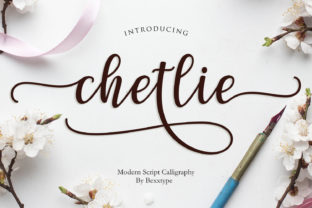
At its core, Chetlie Script is a modern calligraphic font designed to feel fresh and authentic. It’s not trying to be a historical replica of old-world cursive; instead, it captures a contemporary, slightly playful energy. The key visual traits are its decorative swashes, the natural variation in stroke width that mimics a real pen or brush, and that signature dancing baseline where letters don’t sit in a rigid, straight line. This subtle movement is what gives the typeface its lively, approachable character. It feels personal, as if it were just written by hand for you.
Where This Creative Font Truly Shines
Understanding the aesthetic is one thing, but knowing where to apply it is where the real value lies. A script font isn’t a universal solution—it’s a strategic choice for specific moments where you want to inject personality and emotion. Think of it as the accent piece in your design toolkit, not the main body of text.
For Branding and Logo Design: If you’re a boutique, a café, a personal coach, a wedding photographer, or a creative studio, your logo is often the first handshake with a potential client. Using a handwritten font like Chetlie Script for your primary wordmark or as part of a combination mark can instantly communicate warmth, craftsmanship, and a personal touch. It tells customers there’s a real person behind the business who cares about details. Pair it with a simple, clean sans-serif for your business name, and use the script for a tagline like “Handcrafted with Love” or “Est. 2023.”
Packaging and Product Labels: Imagine a artisanal candle label, a gourmet jam jar, or a small-batch soap package. The typography here needs to reflect the product’s handmade quality. A script font elevates the perceived value and connects with consumers looking for authentic, small-batch goods. It works beautifully for product names, flavor descriptions, or callouts like “Limited Edition.” Just be mindful of size—ensure the text is large enough to remain legible on a physical label viewed from a few feet away.
Invitations and Event Materials: This is a classic and highly effective use case. For wedding invitations, baby showers, milestone birthday parties, or boutique event flyers, the flowing, elegant nature of a calligraphic script sets the tone immediately. It creates a sense of occasion and exclusivity before the guest even reads the details. Use it for the names of the hosts, the event title, or key phrases like “You’re Invited” or “Save the Date.”
Beyond the Obvious: Digital and Print Applications
The utility of a versatile script extends far beyond logos and invitations. As a content creator or marketer, you can leverage its style to create more engaging and cohesive visual assets.
Social Media Graphics and Blog Headers: In the fast-scrolling environment of Instagram, Pinterest, or a blog feed, a striking headline font can stop the scroll. Use Chetlie Script for pull quotes in a blog post, for the title of a social media carousel about “5 Tips for Better Photos,” or for a call-to-action button that says “Shop the Collection.” It adds a layer of visual interest that standard text blocks lack. Remember, for body text in a blog or social caption, you’ll always want to switch back to a highly readable serif or sans-serif font.
Website Design and Digital Products: On a website, script fonts should be used sparingly and strategically. They are perfect for hero section headlines, special announcement banners (“Spring Sale Starts Now!”), or for highlighting a featured testimonial. If you’re selling digital products like planners, worksheets, or eBooks, a script can be used for chapter titles or section headers to give the document a polished, professional, and custom-designed feel. It’s a small detail that significantly boosts the perceived quality of your digital asset.
Editorial and Print Layouts: For magazines, lookbooks, or printed menus, a script font can create beautiful, eye-catching drop caps or pull quotes that break up long columns of text. It guides the reader’s eye and adds a moment of visual delight. In a restaurant menu, it can be used for the names of signature dishes or the “Chef’s Special” section to draw attention.
Practical Tips for Using a Display Font Effectively
Choosing a font like Chetlie Script is the first step. Using it effectively is the next. Here are some practical considerations to ensure your designs look professional, not chaotic.
Font Pairing is Everything: A script font should rarely stand alone for all text. Its ornate nature makes it challenging to read in long sentences. The golden rule is to pair it with a simple, neutral typeface. A classic sans-serif (like Montserrat, Lato, or Open Sans) creates a beautiful, modern contrast. A clean serif (like Lora or Merriweather) can create a more elegant, traditional pairing. The goal is harmony—the script provides the flair, and its partner provides the readability and structure.
Readability First, Always: No matter how beautiful a font is, if people can’t read it, it fails. Reserve Chetlie Script for short bursts of text: headlines, subheads, logos, single words, or very short phrases. Avoid using it for paragraphs, lengthy instructions, or crucial contact information. Test your designs by asking someone unfamiliar with the content to read it quickly. If they struggle, simplify.
Explore the Included Styles: A premium font package often includes more than one file. Check to see if Chetlie Script comes with stylistic alternates (different versions of certain letters), ligatures (special combined characters), or multiple weights. These extras give you more creative control, allowing you to customize the look further and avoid the “cookie-cutter” effect if many people use the same base font.
Commercial Licensing Matters: This is a critical, often overlooked step. If you’re using this font for a business logo, client work, products for sale, or any commercial project, you must ensure you have the correct commercial license. Reputable font marketplaces will clearly state the license terms. Using a font without the proper license for commercial work can lead to legal issues down the line. It’s an essential part of professional practice.
Ultimately, a typeface like Chetlie Script is a tool for visual storytelling. It’s not about following a trend, but about choosing a voice that aligns with your project’s soul. Whether you’re a designer crafting a brand identity for a client, an entrepreneur building your own shop, or a hobbyist creating a beautiful scrapbook page, the right script font can bridge the gap between a generic layout and one that feels genuinely connected and memorable. It’s about adding that human touch in a digital-first world. When used thoughtfully, it doesn’t just decorate a design—it communicates a feeling, builds recognition, and makes your work stand apart with authentic, handwritten charm.